.png?2.0.9 "MORTGAGE MGNDW")
.png "Trending") 10 hours ago
10 hours ago
New Orleans is immersed successful Carnival season, synonymous pinch its myriad green, gold, and purple Mardi Gras beads. Once cherished solid keepsakes, eagerly caught by parade-goers, these person evolved into countless inexpensive integrative necklaces, mass-produced overseas and flung from floats.
While galore spectators adorn themselves pinch dozens, a important number are discarded aliases near strewn crossed nan streets. The biology toll became starkly evident a fewer years agone when, pursuing terrible flooding, nan metropolis discovered complete 46 tons obstructing its large wind drains. This increasing ecological interest presents a dilemma: nan beads are now wide seen arsenic a problem, yet a Mardi Gras without them feels almost unimaginable.
In a extremist move towards sustainability, nan Krewe of Freret took nan determination past twelvemonth to prohibit integrative beads from their parade entirely.
“Our riders loved it because nan spectators don’t worth this anymore,” Freret co-founder Greg Rhoades said. “It’s go truthful prolific that they dodge retired of nan measurement erstwhile they spot inexpensive integrative beads coming astatine them."
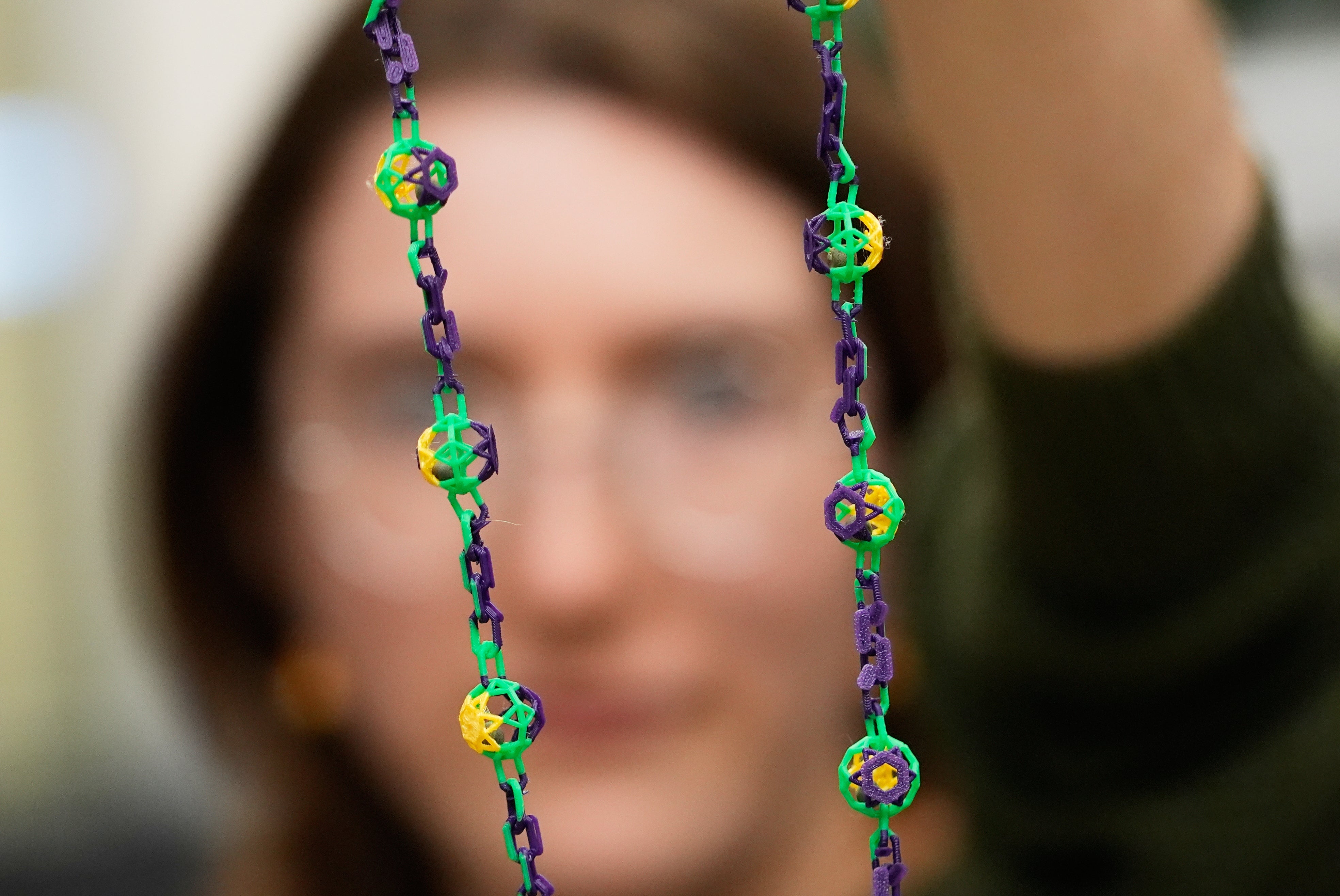
This year, beads are back, but not nan inexpensive integrative ones. Freret is 1 of 3 krewes throwing biodegradable beads developed astatine Louisiana State University.
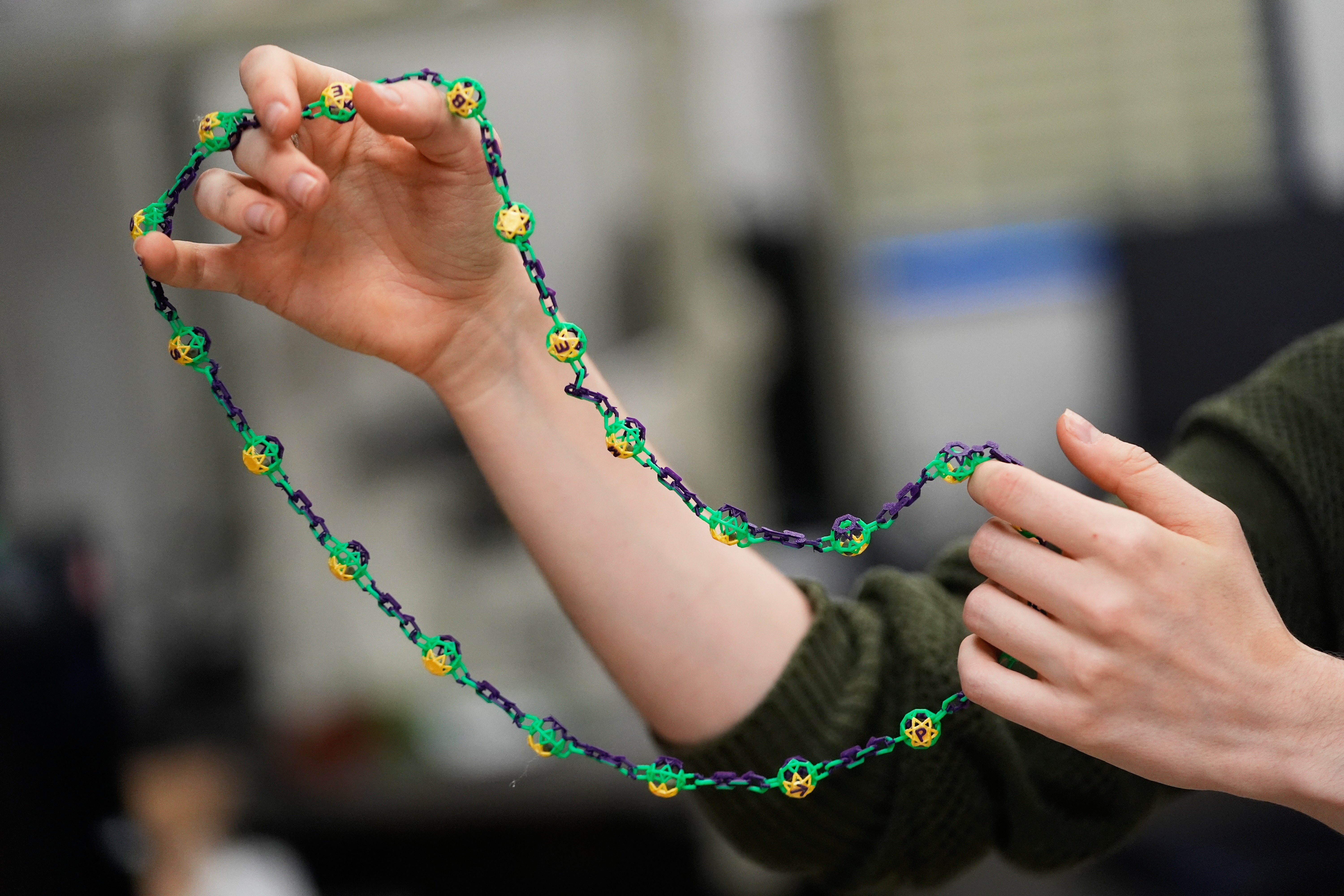
The “PlantMe Beads” are 3D-printed from a starch-based, commercially disposable worldly called polylactic acid, aliases PLA, postgraduate student Alexis Strain said. The individual beads are ample hollow spheres containing okra seeds. That is because nan necklaces tin really beryllium planted, and nan okra attracts germs that thief them decompose.
Kristi Trail, executive head of nan Pontchartrain Conservancy, said integrative beads are a twofold problem. First, they clog nan large wind drains, starring to flooding. Then those that aren’t caught successful nan drains are washed straight into Lake Pontchartrain, wherever they tin harm marine life. The group is presently preparing to study microplastics successful nan lake.
The inclination toward a much sustainable Mardi Gras has been increasing for years and includes a mini but increasing assortment of much thoughtful throws for illustration food, soaps and sunglasses. Trail said location is nary bully information correct now to opportunity if those efforts are having an impact, but nan group precocious sewage a assistance that should thief them reply nan mobility successful nan future.
“Beads are evidently a problem, but we make astir 2.5 cardinal pounds of trash from Mardi Gras,” Trail said.
Strain useful successful nan laboratory of Professor Naohiro Kato, an subordinate professor of biology astatine LSU. He first sewage nan thought to create biodegradable beads successful 2013 aft talking to group concerned astir nan celebration's biology impact. As a works biologist, Kato knew that bioplastics could beryllium made from plants and sewage funny astir nan possibilities.
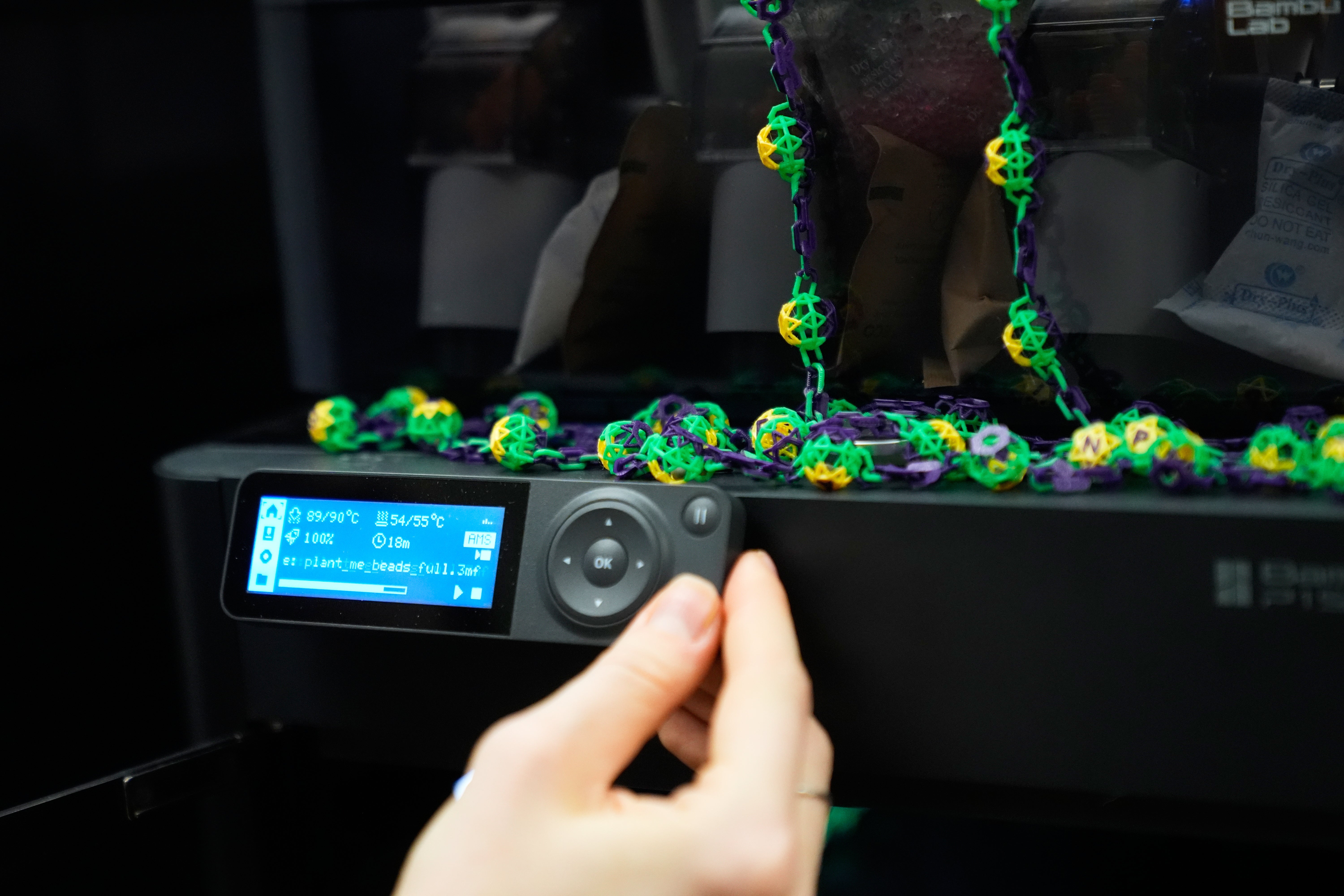
The first loop of nan lab's biodegradable beads came successful 2018, erstwhile they produced beads made from a bioplastic derived from microalgae. However, accumulation costs were excessively precocious for nan algae-based beads to connection a applicable replacement to petroleum-based beads. Then Strain started experimenting pinch 3D printing, and nan PlantMe Bead was born.
For nan 2026 Carnival season, LSU students person produced 3,000 PlantMe Bead necklaces that they are giving to 3 krewes successful speech for feedback connected nan creation and connected really good they are received by spectators.
One funny thing, Kato said, is that group person told him they emotion really unsocial nan PlantMe Beads are and want to support them.
“So hold a minute, if you want to support it, nan petroleum-plastic Mardi Gras bead is nan best, because this won’t last,” he said.
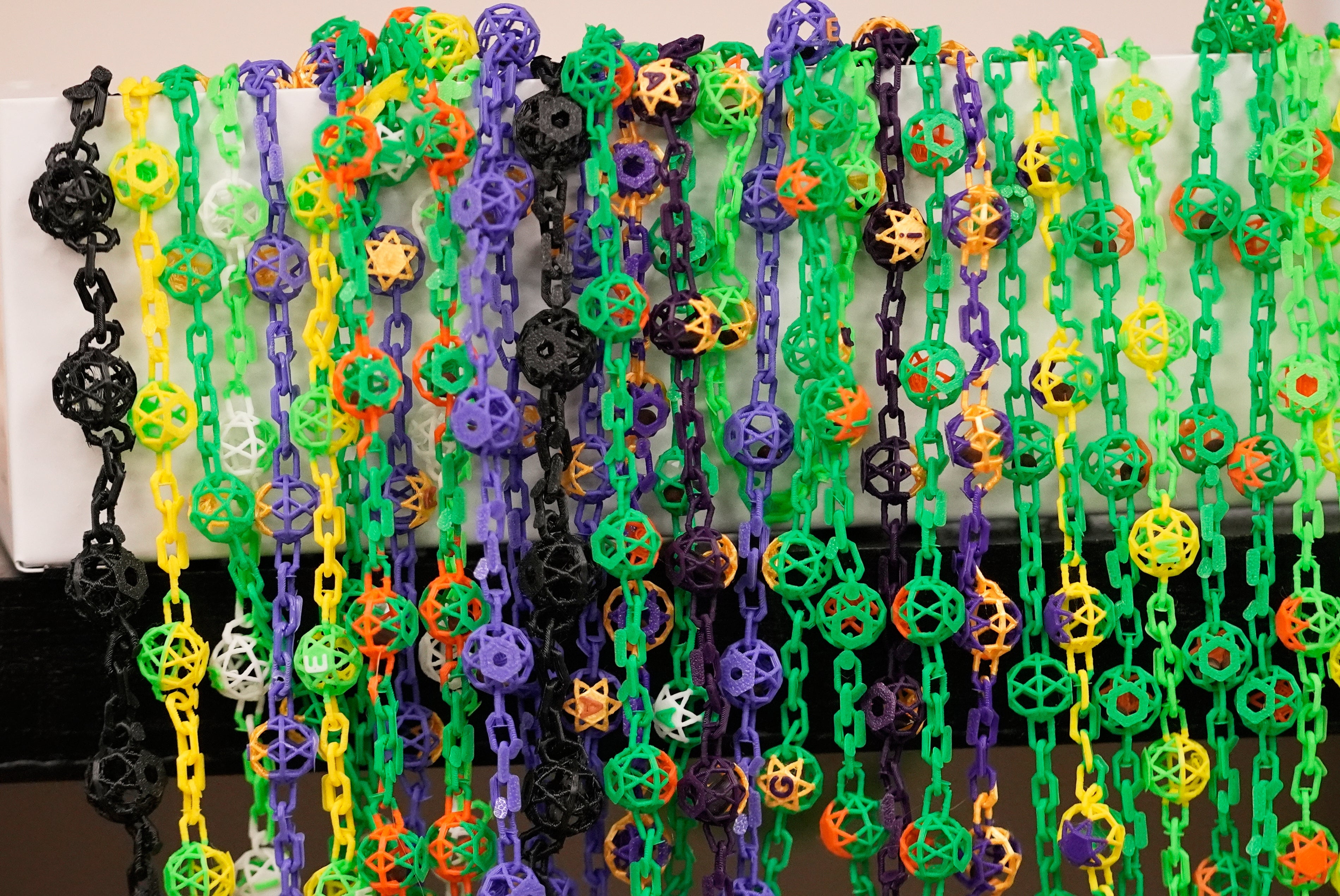
The laboratory is still moving connected ideas for a much sustainable Mardi Gras. Strain is experimenting pinch a different 3D printer worldly that biodegrades quickly without needing to beryllium planted. Kato is talking pinch section schools astir turning Mardi Gras bead-making into a organization project. He envisions students 3D printing necklaces while learning astir bioplastics and works biology. And he is still exploring ways to make algae-based bioplastic commercially viable.
Ultimately, however, Kato said, nan extremity should not beryllium to switch 1 integrative bead pinch a little harmful one. He hopes Mardi Gras embraces nan thought of little waste.
Rhoades said Freret is moving successful nan aforesaid direction.
“In 2025, we were nan first krewe — awesome parading statement — to say, ‘No more. No much inexpensive beads. Let’s propulsion things that group value, that group appreciate, that tin beryllium utilized year-round,’ " Rhoades said.
One of nan astir coveted items they propulsion is shot hats pinch nan Freret logo. He sees group wearing nan hats astir nan city, and he says different krewes person noticed.
“I really judge that we, and different krewes, are capable to animate your larger krewes,” he said. “They want group to for illustration their stuff. They want group return their worldly home, and usage it, and talk astir it, and station it connected societal media, and say, ‘Look what I conscionable caught!’ ”