.png?2.0.9 "MORTGAGE MGNDW")
.png "Trending") 10 hours ago
10 hours ago
Fossils uncovered successful Japan, thought to beryllium from nan archipelago’s mislaid tiger population, person now been revealed to beryllium of an ancient type of lion.
While location are nary autochthonal lion aliases tiger populations successful Japan today, this was not ever nan case.
Fossils bespeak that astatine slightest 1 type of ample feline roamed nan archipelago during nan Late Pleistocene period, lasting from astir 129,000 to 11,700 years ago.
Previous investigation suggested these fossils belonged to ancient tigers, but a caller DNA study of nan specimen reveals these were really an ancient type of lion, upending what was known astir nan region’s biodiversity history.
Lions dispersed retired of Africa astir a cardinal years agone and began expanding their scope crossed Eurasia. They stayed successful nan much bluish regions of Eurasia, while tigers were typically recovered farther south.
During nan Late Pleistocene, their ranges often overlapped successful a region known arsenic nan "lion-tiger modulation belt” that stretched crossed Eurasia, from nan Middle East done Central Asia to nan Russian Far East.
Some animals besides crossed into Japan from mainland Asia erstwhile onshore bridges formed during periods of debased oversea levels.
“Periodic onshore connections betwixt nan archipelago and nan Asian mainland, resulting from lowered oversea levels during glacial periods, enabled nan migration of continental animals to Japan,” explicate scientists successful a caller study published successful nan diary PNAS.
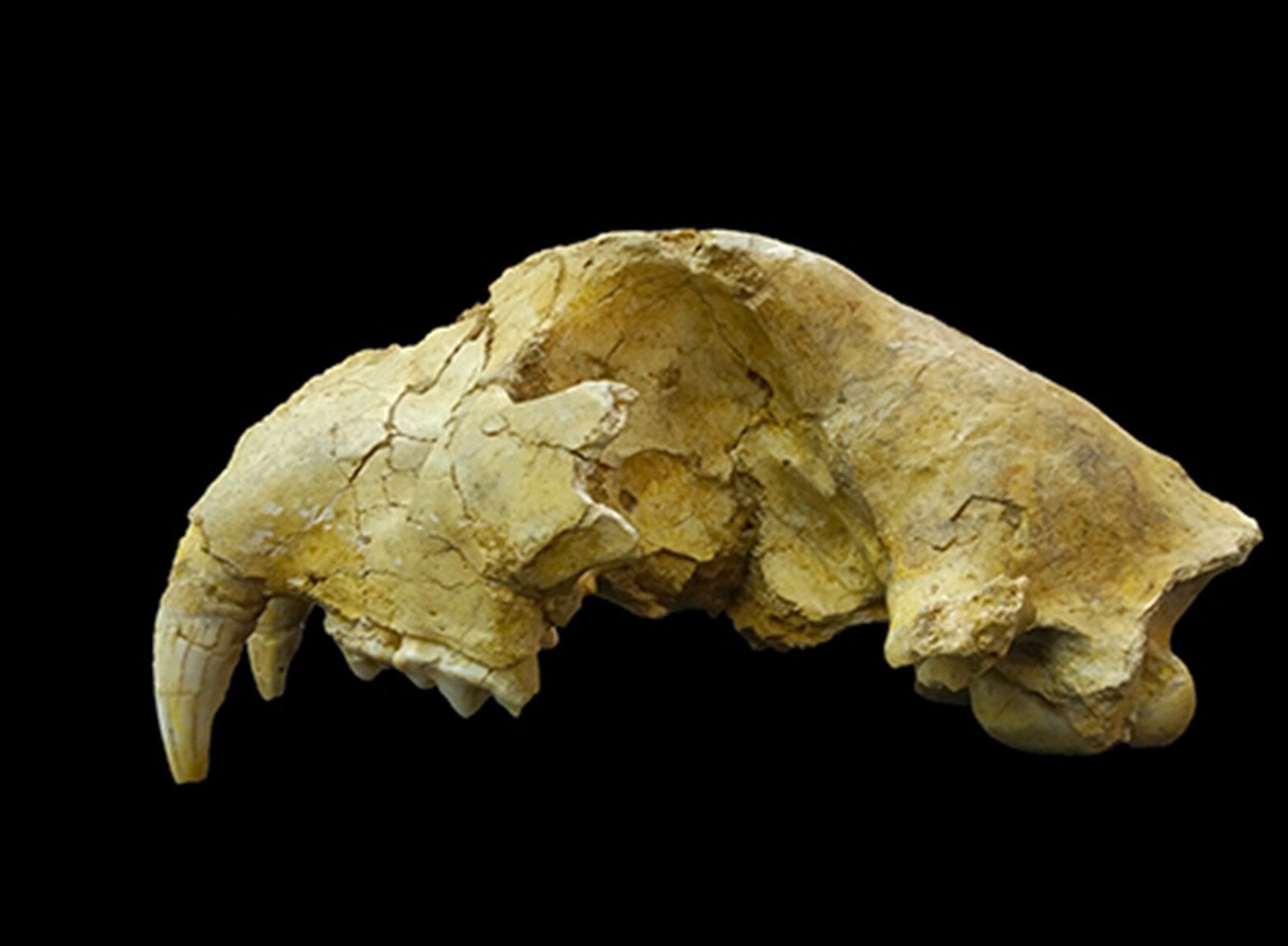
Researchers antecedently uncovered fossils belonging to nan genus Panthera successful Japan from ungraded layers corresponding to nan Middle and Late Pleistocene periods.
These were initially attributed to tigers based connected beingness features of nan remains, arsenic good arsenic residence studies suggesting that southwestern Japan was much suitable for tigers, particularly during cooler periods.
Other investigation has shown that cave lions were coming successful nan southeast Russian Far East, northeastern China, and nan bluish Korean Peninsula during nan Late Pleistocene.
This raised questions astir which type nan Japanese fossils came from. Now, a much thorough DNA study provides reliable impervious that each of nan ancient Japanese "tiger" remains were really a now extinct lion species, referred to arsenic cave lions.
The specimens were recovered to beryllium from astir 31,060 years ago.
Based connected these findings, researchers theorise that cave lions astir apt colonised Japan betwixt astir 72,700 and 37,500 years ago, apt via nan bluish onshore span during glacial periods.
They fishy cave lions persisted successful Japan for astatine slightest 20,000 years aft their extinction elsewhere successful Eurasia.
“Periods of comparative isolation, punctuated by episodic onshore connections to nan continent, person historically enabled nan persistence of relict populations, specified arsenic nan Japanese wolf, which survived good into nan Holocene, aft their continental counterpart organization went extinct," scientists wrote.
“Our findings situation nan long-held position that tigers erstwhile took refuge successful Japan, showing alternatively that cave lions were wide successful northeast Asia during this play and were nan Panthera lineage that colonized Japan, reaching moreover its southwestern regions contempt habitats antecedently thought to favour tigers,” they concluded.